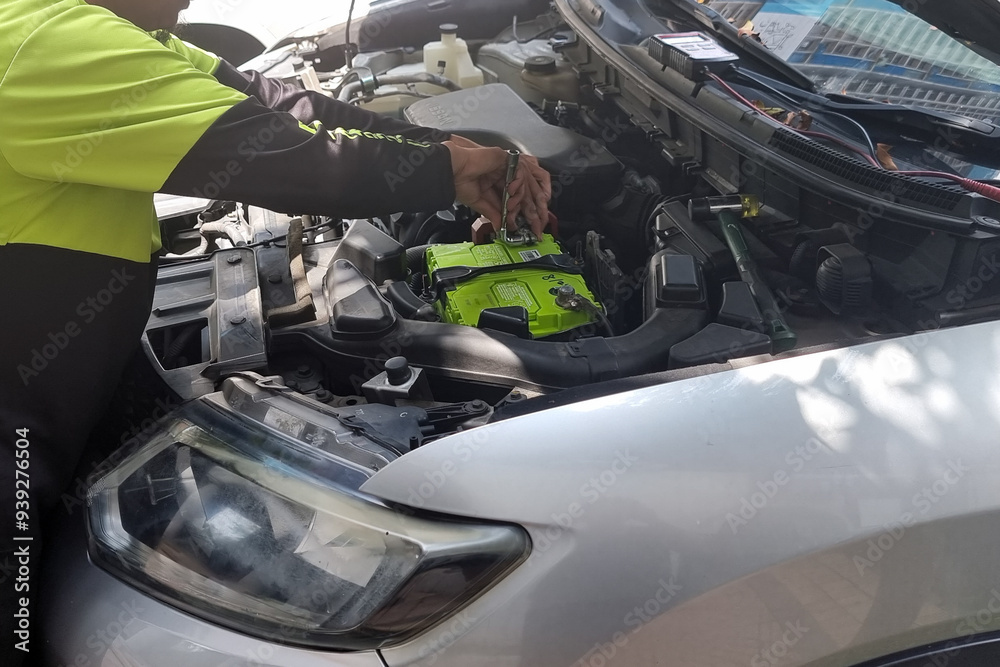
How Maintaining Clean Batteries Improves Engine Performance
A car battery plays a vital role in powering your engine and vehicle’s electrical systems. While most drivers focus on battery performance, the cleanliness of your car battery is equally important. Dirty batteries can lead to reduced performance, engine misfires, and even total power failure. Maintaining a clean battery not only ensures smooth engine operation but also extends the battery’s lifespan.
Why Clean Batteries Matter for Your Vehicle
Over time, dirt, dust, and corrosion accumulate on your battery terminals and casing. This build-up can interfere with the flow of electricity, reducing the efficiency of your battery and engine.
Key Benefits of Clean Batteries:
- Improved Electrical Flow: Clean terminals ensure uninterrupted power to your engine.
- Prolonged Battery Life: Dirt and corrosion can degrade battery materials, shortening its lifespan.
- Avoided Engine Issues: Dirty batteries can cause voltage drops, leading to engine misfires and poor performance.
Regular battery maintenance, including cleaning, is an essential part of car care. For heavy-duty and efficient options, consider AGM battery chargers to enhance reliability.
How to Keep Your Car Battery Clean
1. Inspect the Battery Regularly
Check your battery for dirt, corrosion, and loose connections every few months. Pay close attention to the terminals, as they are the most prone to build-up.
2. Clean the Terminals
- Remove the battery cables, starting with the negative terminal.
- Use a mixture of baking soda and water with a toothbrush to scrub the terminals.
- Rinse with clean water and dry thoroughly before reconnecting.
3. Prevent Corrosion
Apply a thin layer of petroleum jelly or terminal protector spray to the terminals to prevent future corrosion.
4. Secure the Battery
A loose battery can vibrate excessively, causing cracks and spills. Ensure it’s tightly secured in the battery tray.
For more vehicle maintenance tips, check out our guide on keeping leased vehicles clean.
Common Issues Caused by Dirty Batteries
- Engine Starting Problems: Corrosion on terminals can disrupt the electrical connection, making it harder for the engine to start.
- Dim Lights: A dirty or poorly performing battery may not supply enough power to run lights and other systems efficiently.
- Dashboard Warning Lights: A weak connection due to dirt or corrosion can trigger warning lights on your dashboard.
Avoid these issues by incorporating regular battery cleaning into your maintenance routine.
FAQs About Car Battery Maintenance
1. How often should I clean my car battery?
Inspect and clean your battery every three months or sooner if you notice corrosion or performance issues.
2. What tools are needed to clean a car battery?
You’ll need baking soda, water, a toothbrush or battery cleaning brush, and a clean cloth.
3. Can a dirty battery affect fuel efficiency?
Yes, a poorly functioning battery can strain the alternator and other systems, indirectly impacting fuel efficiency.
4. How can I tell if my battery needs replacing?
Signs include frequent jump-starts, slow cranking, and visible corrosion. A professional test can confirm the battery’s health.
5. Do AGM batteries require less cleaning?
AGM batteries are sealed and require less maintenance than traditional lead-acid batteries, but occasional terminal cleaning is still beneficial.
Conclusion
Keeping your car battery clean is essential for smooth engine operation and overall vehicle performance. Regular cleaning prevents corrosion, ensures reliable power flow, and extends the life of your battery.
Pair battery maintenance with regular car care practices to keep your vehicle running efficiently. Explore our cleaning guide for more insights on vehicle upkeep.